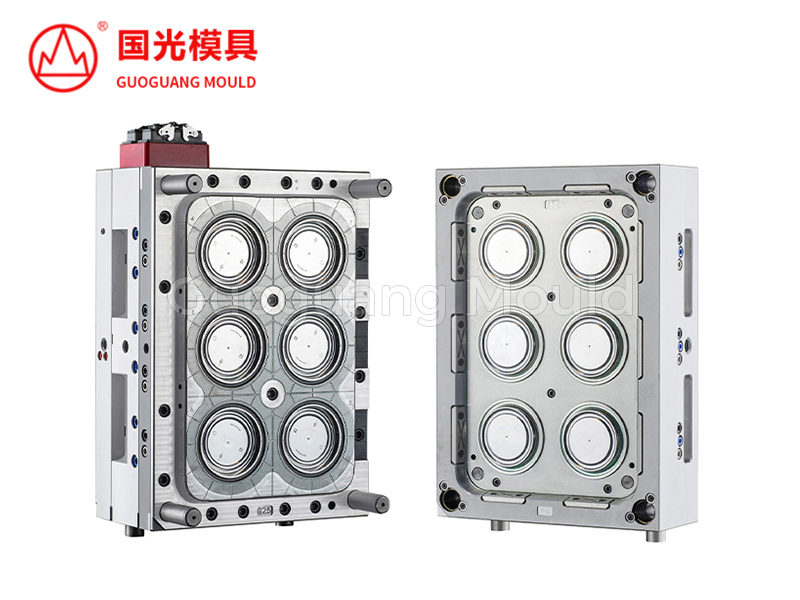
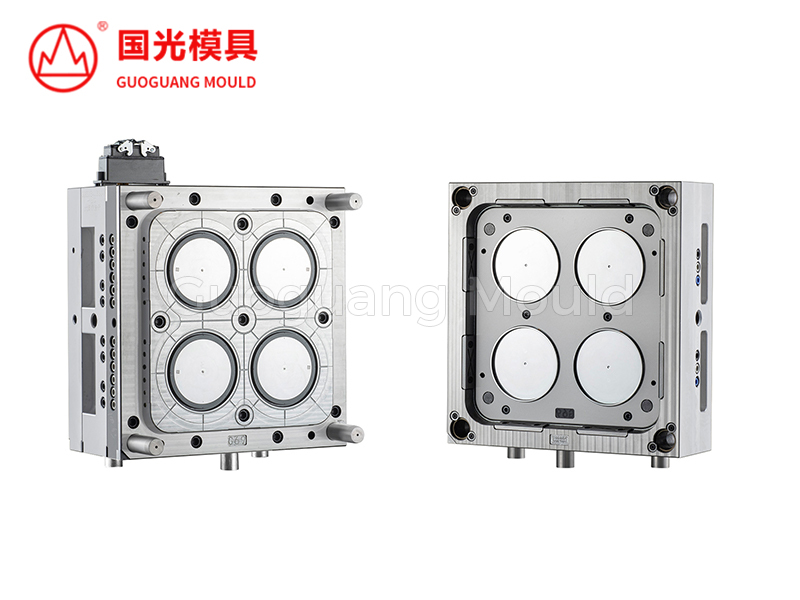
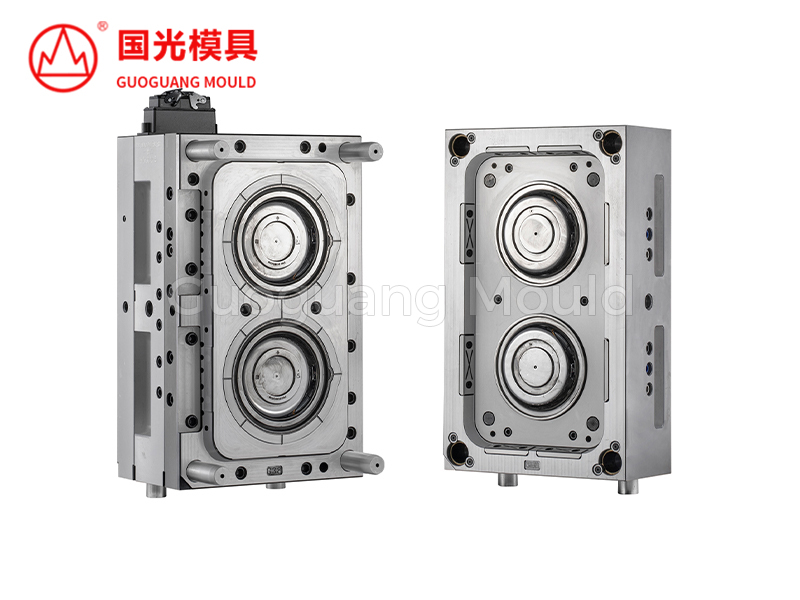
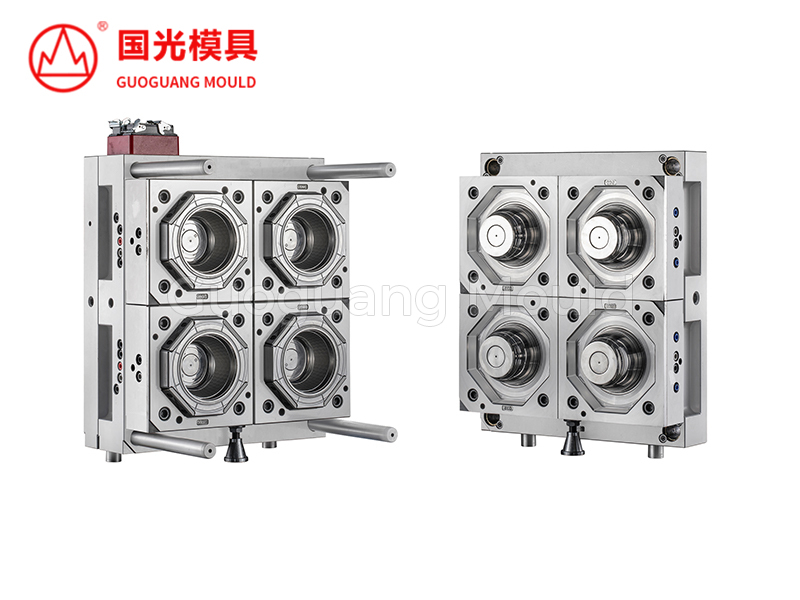
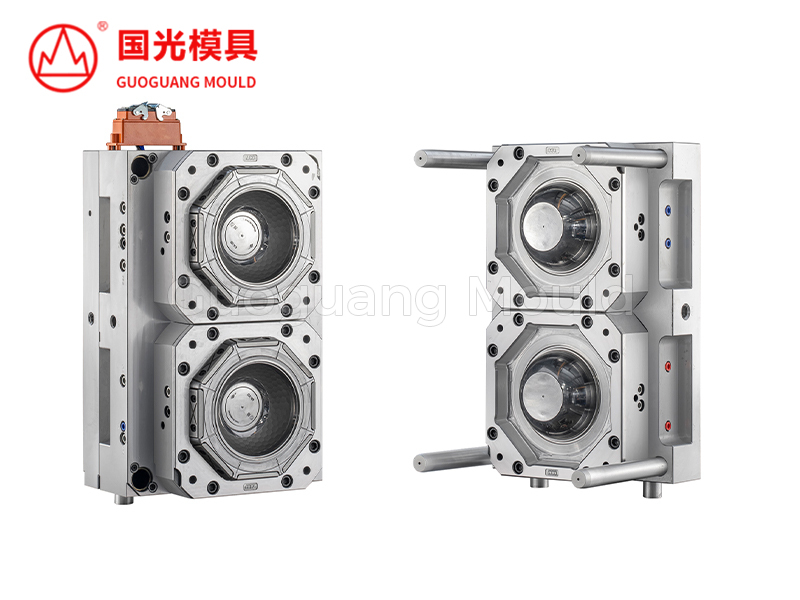
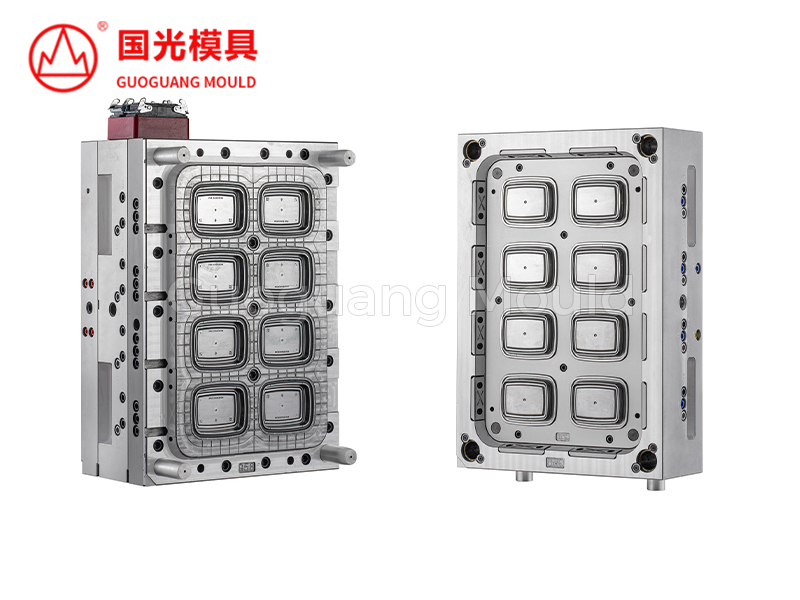
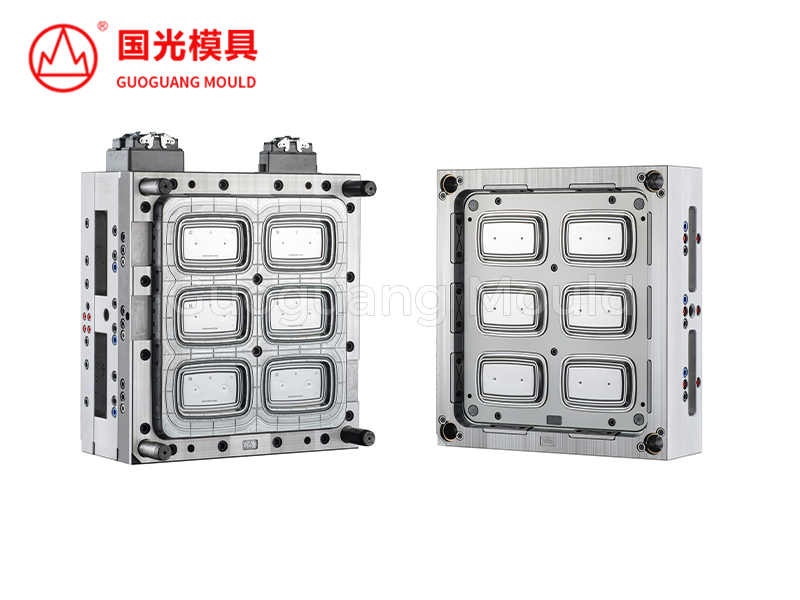
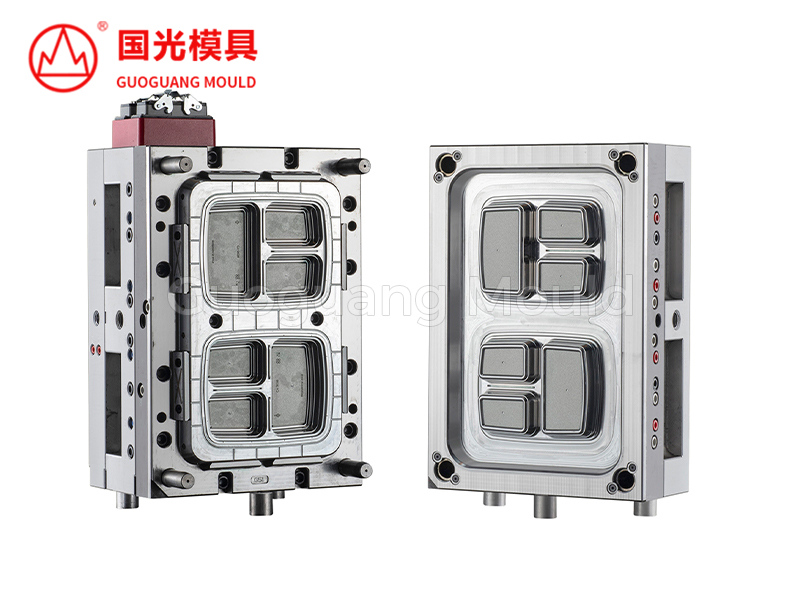
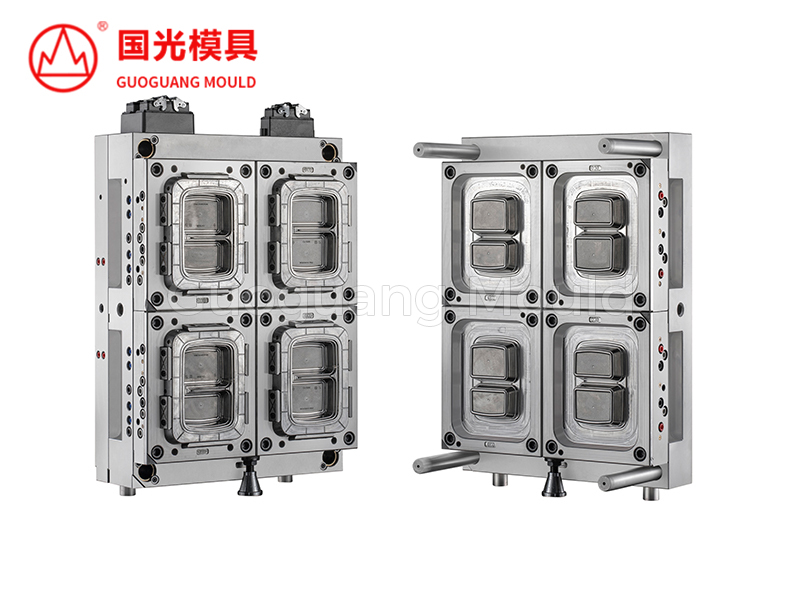
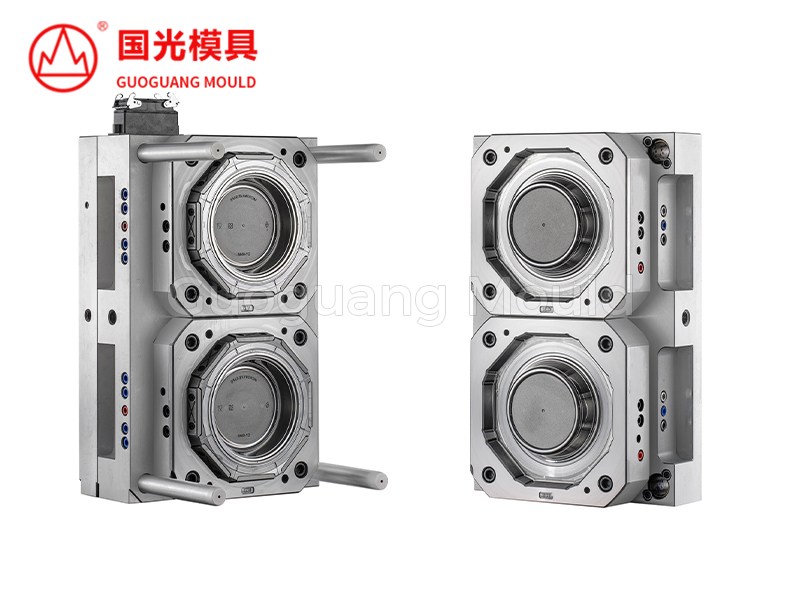
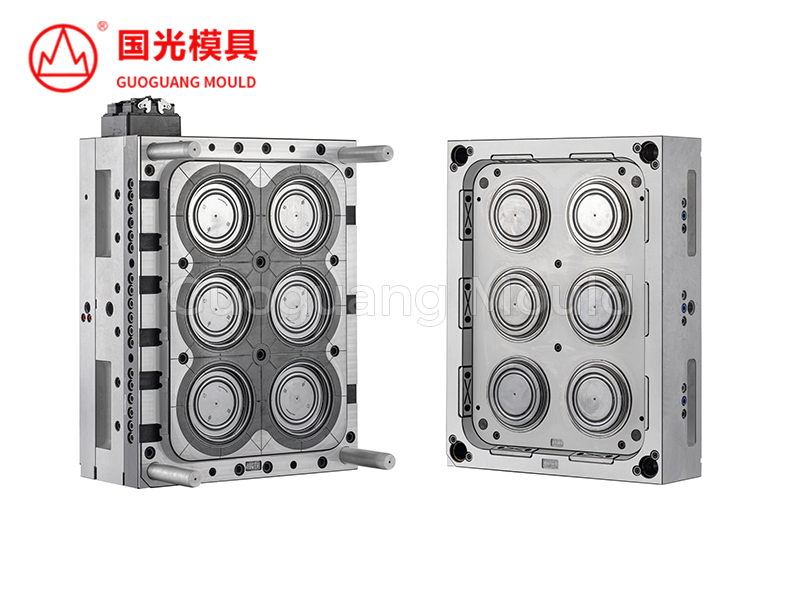
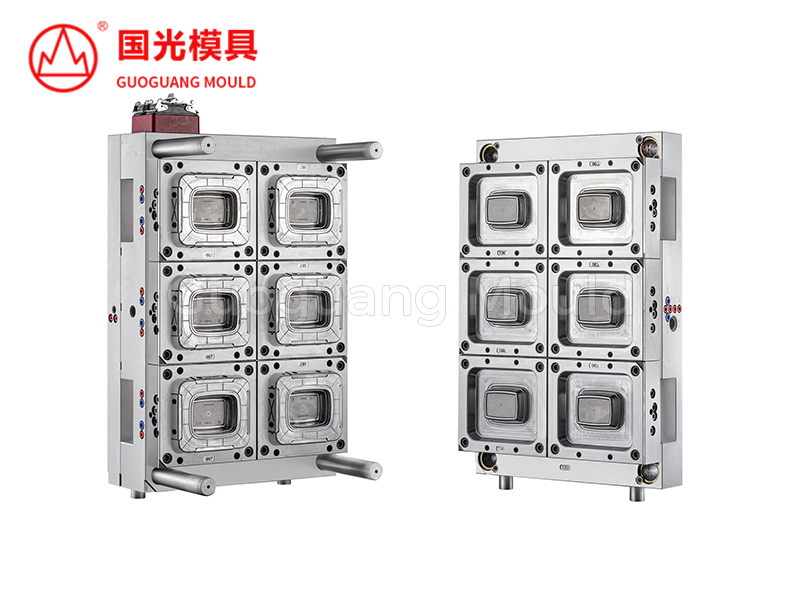
国光专注薄壁高速模具制造,提供全品类餐具模具定制解决方案。
产品优势 高生产效率注塑成型是一种快速成型工艺,可在短时间内大批量生产圆盖,有效降低制造成本,提升产能,特别适用于对包装材料需求量大的行业。 质量一致性注塑工艺确保每个盖子的形状和尺寸高度一致,对于食...
查看详细信息Hot soup containers face a demanding job that many other food packages don't. They need to hold liquid at elevated temperatures without warping, leaking, or becoming uncomfortable to handle. A plastic hot soup packaging box mould maker builds the tooling responsible for shaping these containers, working through design and material considerations that differ noticeably from moulds meant for cold or room-temperature food packaging.
Standard food packaging moulds don't always account for sustained heat exposure, but that's exactly what a plastic hot soup packaging box mould maker has to build around. Containers meant for hot liquid need wall thickness and material flow patterns calculated to prevent warping once filled. If wall sections come out uneven during moulding, the finished container might flex or distort under heat, to spills or an unstable grip for the person holding it.
Gate placement, where molten plastic enters the mould cavity, also gets adjusted with heat performance in mind. Poor gate positioning can create weak points in the container wall, areas more likely to soften or bow when hot liquid sits inside for an extended period.
Choosing the right plastic resin matters considerably when heat resistance is part of the container's basic function. A plastic hot soup packaging box mould maker typically works with a handful of resin types suited to this purpose. Common choices include:
Each material behaves differently during the moulding process, affecting cooling time, shrinkage rate, and how the final container holds its shape once filled with hot contents.
Soup containers often need to stack efficiently for storage and shipping, which adds another layer of consideration during mould design. A plastic hot soup packaging box mould maker typically builds a slight taper into the container walls, allowing multiple units to nest together without sticking or jamming during handling. Getting this taper angle correct requires balancing stackability against wall strength, since too aggressive a taper can weaken the container's structure.
Lid compatibility factors into this stage too. Many hot soup containers use a separate lid component, which means the mould maker often needs to coordinate rim dimensions precisely so the two pieces seal properly without gaps that could allow leakage during transport.
Producing a mould for this type of packaging generally follows a structured sequence, though specifics vary depending on container complexity. A general production path includes:
Each step feeds into the next, and inconsistencies introduced early in cavity machining tend to show up later as dimensional problems in the finished container.
Cooling channel layout inside the mould plays a bigger role than people might initially expect. Since these containers are specifically meant to hold hot contents, the mould itself needs efficient cooling during production to solidify the plastic evenly before ejection. Uneven cooling can leave certain sections of the container thinner or more prone to warping once it's filled later with actual hot soup.
A plastic hot soup packaging box mould maker typically routes cooling channels strategically around thicker wall sections and corner areas, since these spots tend to retain heat longer during the moulding cycle compared to flatter surfaces.